
Solar Saves The Day In Texas During Peak Energy Demand
State energy officials tell us something that we already know. The Texas power grid needs help. A lot of it.
Texas Power Grid Forecasts Massive Surge in Energy Demand Driven by Population and Tech Expansion
State energy officials warn that demand on the Texas electric grid could nearly double current historical levels by 2032. There are various reasons. A booming state economy, rapid population growth, and a massive influx of energy-intensive data centers are all sucking up the state's energy. According to the Texas Tribune, The Electric Reliability Council of Texas (ERCOT) projects statewide peak demand could climb to roughly 175,000 megawatts over the next six years.
Putting the Energy Use into Perspective
To put that scale in perspective, a single megawatt typically powers around 250 residential homes during peak usage hours. The new long-term projection comes on the heels of record-setting summer heat that pushed grid demand to a historic high of 91,308 megawatts on July 22, breaking a record set just twenty-four hours earlier.
Solar and Battery Storage Provide Vital Daytime Cushion
Despite hitting back-to-back demand records, the Texas grid held the line without requiring public calls for energy conservation. Regulators have attributed its performance to the rapid expansion of solar infrastructure.
Read More: Local Homes Could Soon Host Mini Data Centers For AI
Solar Picks Up the Slack
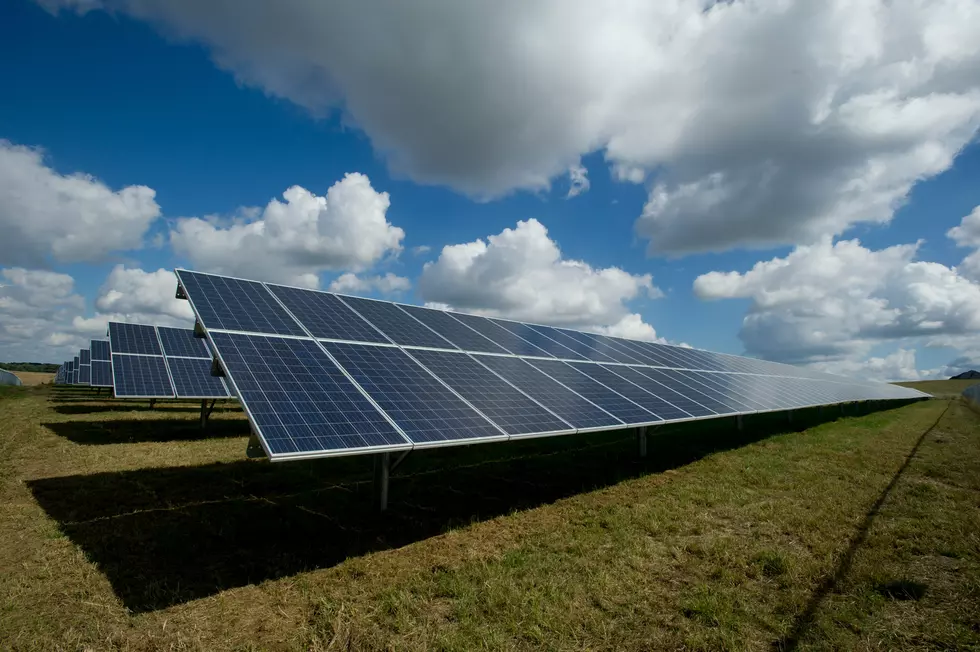
During the peak heat around 5 p.m. on July 22, ERCOT maintained a safety buffer of more than 20,000 megawatts in available capacity, which is enough to support an additional 5 million homes. Solar power accounted for over 45% of total generation at peak times, setting a new output record of 34,700 megawatts.
Texas Solar
Texas now leads the nation in solar capacity and battery installation, with capacity more than doubling and tripling, respectively, between 2023 and 2025. This rapid buildout has shifted the grid's most vulnerable operational windows away from hot afternoons and into the late evening.
Shift to Evening Strain Raises Need for Natural Gas Generation
While clean energy technologies handle daytime surges effectively, solar availability drops sharply as the sun sets, while battery reserves eventually deplete. During these late-night hours, natural gas power plants bear the primary responsibility for sustaining the state’s electrical load.
So, What's The Problem?
Public Utility Commission (PUC) officials and ERCOT leadership warned state lawmakers that relying solely on intermittent renewables could trigger scarcity events within two to three years if the current energy sources do not keep pace. To incentivize the construction of traditional dispatchable plants, Texas established the $10 billion Texas Energy Fund in 2023. The program offers low-interest loans for natural gas projects and has recently approved funding for eight new facility projects totaling 5,000 megawatts of generation, with an additional 2,300 megawatts under regulatory review.
The Data Center Issue
Moving forward, ERCOT and the PUC are completely revamping their load-forecasting models to more accurately capture the rapid surge of industrial data centers. Industry representatives note that providing more reliable long-term demand numbers will be essential to encouraging energy developers to build the balanced mix of natural gas, solar, and storage resources required to power Texas through the decade.
The Top 7 Solar Eclipse Controversies
Gallery Credit: Devon Brosnan
PICTURES: See Inside Sheryl Crow's Solar-Powered Estate
Gallery Credit: Sterling Whitaker